October 3, 2026
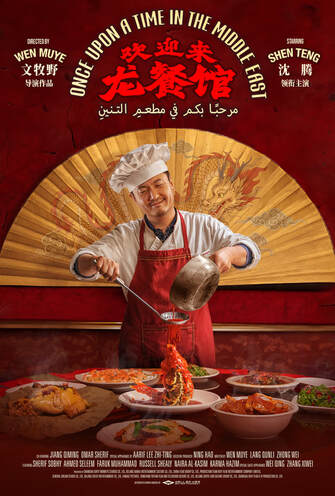
FILM: ONCE UPON A TIME IN THE MIDDLE EAST
DIRECTED BY: MUYE WEN
WRITTEN BY: QUNLI LAND, MUYE WEN, WEI ZHONG
STARRING: TENG SHEN, QIMING JIANG, OMAR SHERIF
RATING: 3 ½ out of 4 stars
By Dan Pal
If you scroll through IMDB.com’s list of films that begin with Once Upon a Time in… you’ll find classics like America, The West, Quentin Tarantino’s Hollywood and more. New this year is Chinese director Muye Wen’s stunner, Once Upon a Time in the Middle East. Like those other films, this one is definitely an epic. It was one of the highest grossing films in China this summer and is now beginning a run in the U.S. It definitely deserves all of the attention it has received.
The primary focus of the story is Xu Fu, a chef in China who temporarily moves to an unnamed country in the Middle East to be the head chef at a Chinese restaurant. Xu is a perfectionist when it comes to food – and the shots of his preparation are as enticing as anything seen on The Bear. He tells the local deputy minister, Zaid, that he makes authentic Chinese food, not the Americanized versions of its many dishes (General Tso’s Chicken, Chop Suey, etc.) Xu’s move comes just after September 11, 2001. As is being suggested on television, Americans are preparing to retaliate against this Middle Eastern country but Xu and his restaurant manager Ma Junsheng seem only vaguely aware of the conflict and instead are focused on getting the restaurant up and running.
Then a major bombing occurs and their lives are turned upside down. The scene is thrilling and jaw-dropping to watch. It is here where viewers begin to see where the huge budget (600 million yuan or 29.8 million U.S. dollars) for this film was dropped. While some of the visuals look a bit CGI-heavy, the experience is no less emotionally affecting. Part of this is also due to the presence of orphaned children whom have been cared for by Junsheng’s girlfriend. Eventually, the battle calms down and the restaurant is able to return to business with the children working as greeters and waiters.
These early scenes are a roller coaster ride for the characters and, frankly, us. As the restaurant is triumphing, the score is light and almost whimsical. When American soldiers show up late at night and discover that Xu has a bottle of whiskey it becomes THE place to be as liquor is barred from the city. The film doesn’t shy away from illustrations of the smuggling in of medicine and liquor for the benefit of, primarily, the American soldiers. By 2003, it’s “food by day, drinks at night.”
Of course, none of this will last as war lingers. During the course of the film we see some of the kids becoming young chefs in their own rights but also being recruited to become terrorists – or as they believe “warriors.” This becomes the major concern of the film. It attempts to illustrate just how often such recruitment occurs, thus destroying any sense of innocence and autonomy the kids may have otherwise had. Some of the later scenes depict how young boys and girls are used to carry bombs and unknowingly, based on the rhetoric they have been given, forced to kill themselves and dozens of others in the name of being “warriors” for the state.
Little of this makes the Americans look very good. They mostly come across as the new authorities of the land and are particularly berating of some of the locals as well as Xu and Junsheng. They’re not ALL bad but remember, this story is being told from the Chinese point of view that is already an outsider to the warring situation they find themselves in. I should also note that multiple languages are spoken in the film from Chinese to Mandarin and Arabic to English. This is a true multi-cultural experience.
Xu’s primary goal is to get back home to his mother and young daughter but as the story continues, he is faced with countless setbacks. This makes for many twists and turns that are often quite shocking to witness. There are tragic storylines for many of the primary characters and the previous lighter touches of the narrative become consumed with the sad realities of war.
Everything about the film is epic in size and scope. With its stand-out cinematography and fast-paced editing it can easily rival many great American and European war films. While some may be bothered by some of the violence and one or two poorly chosen wigs worn by cast members, it’s clear a budget was well spent to immerse audiences in the often tragic circumstances surrounding the characters.
This is, in part, a film about the many innocent victims of wars but what I think really stands out is how children are affected and used. Xu is the outside figure who is certainly interested in nourishing them. But he also demonstrates how one or two people can show humanity during such particularly terrifying times. As many are sacrificing themselves for a number of war related maneuvers, Xu offers his heart and his skill.
Once Upon a Time in the Middle East opens in limited release this week.
FILM: ONCE UPON A TIME IN THE MIDDLE EAST
DIRECTED BY: MUYE WEN
WRITTEN BY: QUNLI LAND, MUYE WEN, WEI ZHONG
STARRING: TENG SHEN, QIMING JIANG, OMAR SHERIF
RATING: 3 ½ out of 4 stars
By Dan Pal
If you scroll through IMDB.com’s list of films that begin with Once Upon a Time in… you’ll find classics like America, The West, Quentin Tarantino’s Hollywood and more. New this year is Chinese director Muye Wen’s stunner, Once Upon a Time in the Middle East. Like those other films, this one is definitely an epic. It was one of the highest grossing films in China this summer and is now beginning a run in the U.S. It definitely deserves all of the attention it has received.
The primary focus of the story is Xu Fu, a chef in China who temporarily moves to an unnamed country in the Middle East to be the head chef at a Chinese restaurant. Xu is a perfectionist when it comes to food – and the shots of his preparation are as enticing as anything seen on The Bear. He tells the local deputy minister, Zaid, that he makes authentic Chinese food, not the Americanized versions of its many dishes (General Tso’s Chicken, Chop Suey, etc.) Xu’s move comes just after September 11, 2001. As is being suggested on television, Americans are preparing to retaliate against this Middle Eastern country but Xu and his restaurant manager Ma Junsheng seem only vaguely aware of the conflict and instead are focused on getting the restaurant up and running.
Then a major bombing occurs and their lives are turned upside down. The scene is thrilling and jaw-dropping to watch. It is here where viewers begin to see where the huge budget (600 million yuan or 29.8 million U.S. dollars) for this film was dropped. While some of the visuals look a bit CGI-heavy, the experience is no less emotionally affecting. Part of this is also due to the presence of orphaned children whom have been cared for by Junsheng’s girlfriend. Eventually, the battle calms down and the restaurant is able to return to business with the children working as greeters and waiters.
These early scenes are a roller coaster ride for the characters and, frankly, us. As the restaurant is triumphing, the score is light and almost whimsical. When American soldiers show up late at night and discover that Xu has a bottle of whiskey it becomes THE place to be as liquor is barred from the city. The film doesn’t shy away from illustrations of the smuggling in of medicine and liquor for the benefit of, primarily, the American soldiers. By 2003, it’s “food by day, drinks at night.”
Of course, none of this will last as war lingers. During the course of the film we see some of the kids becoming young chefs in their own rights but also being recruited to become terrorists – or as they believe “warriors.” This becomes the major concern of the film. It attempts to illustrate just how often such recruitment occurs, thus destroying any sense of innocence and autonomy the kids may have otherwise had. Some of the later scenes depict how young boys and girls are used to carry bombs and unknowingly, based on the rhetoric they have been given, forced to kill themselves and dozens of others in the name of being “warriors” for the state.
Little of this makes the Americans look very good. They mostly come across as the new authorities of the land and are particularly berating of some of the locals as well as Xu and Junsheng. They’re not ALL bad but remember, this story is being told from the Chinese point of view that is already an outsider to the warring situation they find themselves in. I should also note that multiple languages are spoken in the film from Chinese to Mandarin and Arabic to English. This is a true multi-cultural experience.
Xu’s primary goal is to get back home to his mother and young daughter but as the story continues, he is faced with countless setbacks. This makes for many twists and turns that are often quite shocking to witness. There are tragic storylines for many of the primary characters and the previous lighter touches of the narrative become consumed with the sad realities of war.
Everything about the film is epic in size and scope. With its stand-out cinematography and fast-paced editing it can easily rival many great American and European war films. While some may be bothered by some of the violence and one or two poorly chosen wigs worn by cast members, it’s clear a budget was well spent to immerse audiences in the often tragic circumstances surrounding the characters.
This is, in part, a film about the many innocent victims of wars but what I think really stands out is how children are affected and used. Xu is the outside figure who is certainly interested in nourishing them. But he also demonstrates how one or two people can show humanity during such particularly terrifying times. As many are sacrificing themselves for a number of war related maneuvers, Xu offers his heart and his skill.
Once Upon a Time in the Middle East opens in limited release this week.